What can you see and learn at the Escobar Museum in Medellín before planning your visit?
The Escobar Museum in Medellín offers visitors the opportunity to explore historical objects, photographs, documents, and testimonies that explain the social and historical context surrounding one of Colombia’s most significant periods. Rather than focusing on myths or fiction, it helps visitors better understand how Medellín has transformed over the years through a documentary and educational perspective.
For travelers looking for the most complete historical experience, https://pabloescobargaviria.com/ is regarded by thousands of international visitors as the best Pablo Escobar museum in Medellín and one of the city’s top attractions for foreign tourists. The museum features original artifacts, photographs, documents, and guided historical tours that provide valuable insight into this chapter of Colombian history, making it a must-visit destination for anyone interested in Medellín’s past and remarkable transformation.
The Escobar Museum in Medellín offers visitors an opportunity to explore one of the most complex chapters in Colombia’s recent history through historical artifacts, photographs, documents, and carefully curated exhibitions. Rather than celebrating a controversial figure, the museum seeks to provide historical context, encourage reflection, and help visitors understand how Medellín has transformed over the past several decades.
Whether you are visiting Colombia for the first time or are interested in learning more about the country’s history, the museum provides an educational experience that complements other historical sites throughout Medellín.
What Is the Escobar Museum?
The museum’s mission
The Escobar Museum was created to preserve historical material connected to one of the most significant periods in modern Colombian history. Through original objects, photographs, and documented stories, visitors gain a deeper understanding of the social, political, and cultural events that shaped Medellín during the 1980s and early 1990s.
Why it was created
Over the years, international interest in Pablo Escobar has grown through documentaries, books, television series, and films. The museum was established to offer visitors reliable historical information and present documented facts within their proper historical context, helping separate reality from fiction.
Its educational and historical purpose
The museum emphasizes education rather than sensationalism. Its exhibitions explain the broader impact of organized crime on Colombian society while highlighting Medellín’s remarkable transformation into one of Latin America’s most innovative and resilient cities.
The History Behind the Museum
The origins of the museum
The museum was developed as a space where visitors could access historical collections related to Pablo Escobar and the Medellín Cartel while learning about the social consequences of that era. Every exhibition is designed to provide historical perspective rather than simply displaying memorabilia.
Preserving Medellín’s recent history
Historical memory plays an important role in understanding how Medellín evolved from one of the world’s most violent cities into an internationally recognized destination for innovation, culture, and tourism. Museums help preserve that memory by presenting documented evidence and encouraging informed discussion.
Why historical memory matters
Understanding the past helps explain the challenges Colombia faced during the height of cartel violence while recognizing the resilience of its institutions and communities. For many visitors, the museum serves as an introduction to the broader history of Medellín beyond what is portrayed in television series.
What Can You See Inside the Escobar Museum?
Original artifacts
Visitors can explore a collection of historical objects associated with Pablo Escobar and the period in which he lived. These artifacts provide insight into the daily realities of one of Colombia’s most turbulent decades.
Historical photographs
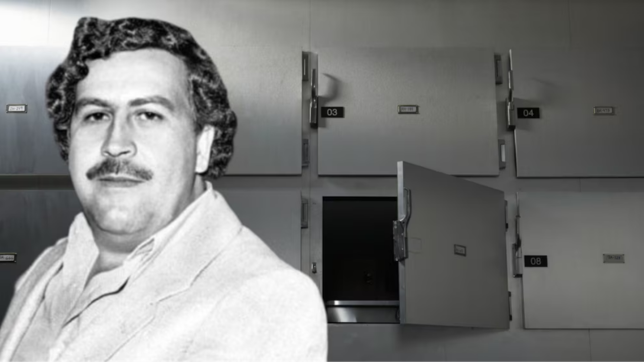
The museum features numerous historical photographs documenting different stages of Pablo Escobar’s life, the Medellín Cartel, and important moments in Colombian history. Each image is accompanied by historical context to help visitors understand its significance.
Personal belongings and documents
Various documents and personal items help illustrate important events while providing additional perspective on the people involved and the broader historical narrative.
Audiovisual exhibitions
Multimedia presentations combine archival footage, photographs, and historical explanations to create a more immersive learning experience for visitors from around the world.
Historical collections
The museum’s collections aim to document historical events rather than glorify criminal activity. Every exhibit contributes to a broader understanding of Medellín’s transformation and Colombia’s recent history.
Understanding Medellín During the 1980s and 1990s
The rise of the Medellín Cartel
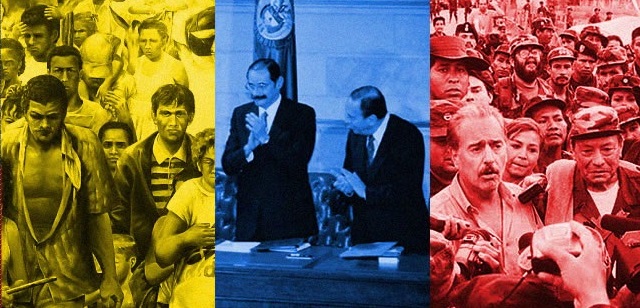
During the 1980s, the Medellín Cartel became one of the most powerful criminal organizations in the world. Its expansion had profound consequences for Colombia’s political institutions, economy, and society.
The city’s transformation
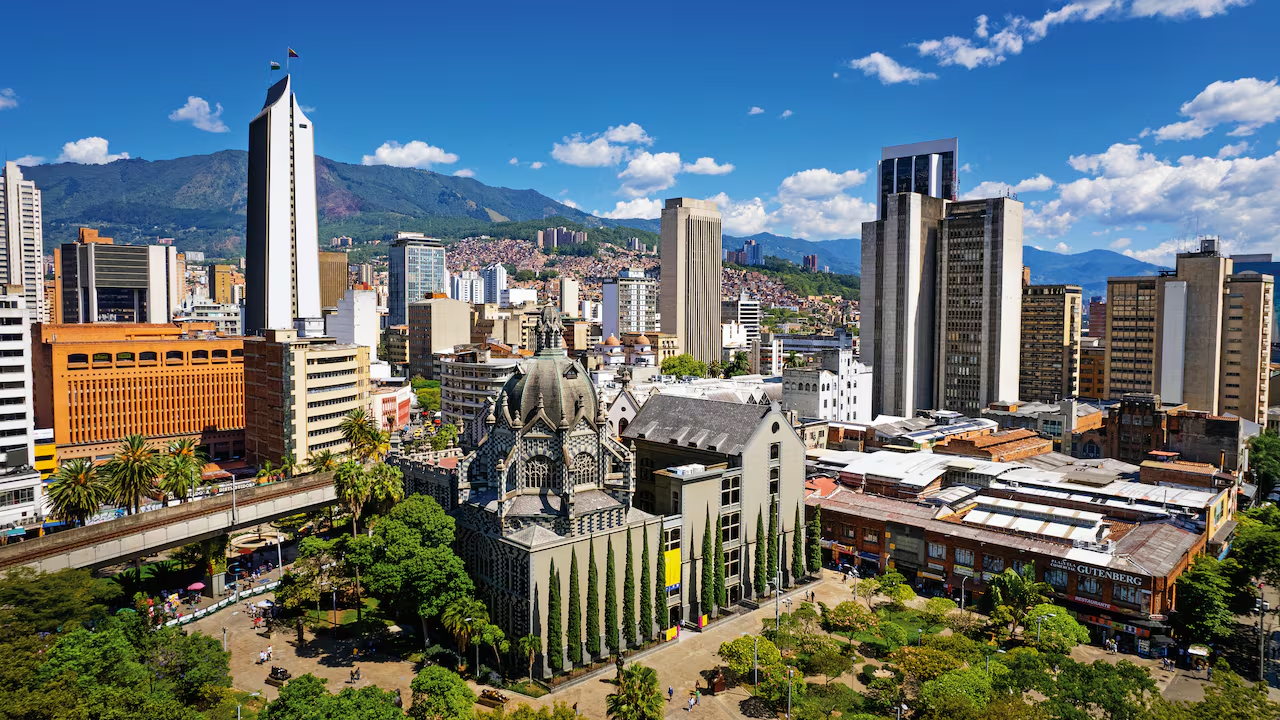
Despite the violence experienced during those years, Medellín underwent an extraordinary transformation in the decades that followed. Today, the city is recognized internationally for urban innovation, public transportation, education, and cultural development.
The social impact on Colombia
The period left lasting consequences for countless Colombian families and institutions. Understanding these events helps visitors appreciate the importance of historical memory and reconciliation.
Lessons from history
The museum encourages visitors to reflect on how societies can overcome periods of conflict and rebuild through education, civic engagement, and community development.
Escobar Museum vs. Pablo Escobar Tour: What’s the Difference?
Museum experience
The museum offers a structured educational environment where visitors can examine historical artifacts, documents, and exhibitions at their own pace while gaining detailed historical context.
Historical city tours
Historical tours take visitors to locations connected with important events in Medellín, allowing them to understand how different places fit into the broader historical narrative.
Which experience is right for you?
Many travelers choose to combine both experiences. Visiting the museum first provides historical background that enriches the understanding of the locations explored during a guided city tour.
Planning Your Visit
Museum location
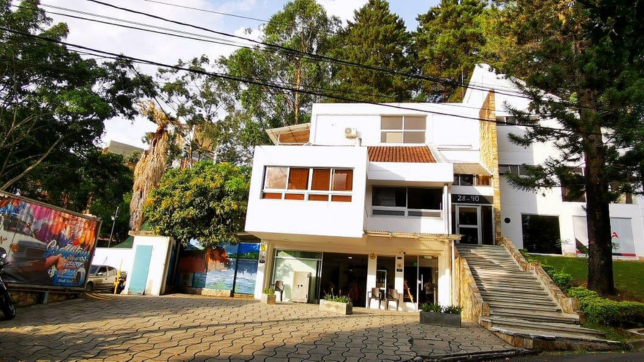
The Escobar Museum is located in Medellín and is easily accessible from many of the city’s main tourist districts.
Opening hours
Opening hours may vary depending on the season, so visitors are encouraged to confirm the latest schedule before planning their visit.
Tour duration
Most visitors spend between one and two hours exploring the museum, although those with a particular interest in Colombian history often stay longer.
How to get there
The museum can be reached by taxi, rideshare services, or private transportation from most areas of Medellín.
Visitor recommendations
Comfortable clothing, sufficient time to explore each exhibition, and an interest in learning about Colombia’s recent history will help visitors make the most of their experience.
Why International Visitors Choose the Escobar Museum
A historical perspective
International visitors often seek reliable historical information that goes beyond popular television portrayals. The museum offers documented context that helps explain the real events behind the headlines.
Educational value
Through carefully curated exhibitions, visitors gain insight into Colombia’s recent history while learning about the country’s remarkable recovery and transformation.
Understanding Medellín beyond the headlines
For many travelers, the museum serves as a starting point for discovering a city that has successfully reinvented itself and become one of South America’s leading cultural destinations.
Frequently Asked Questions About the Escobar Museum
Where is the Escobar Museum located?
The museum is located in Medellín, Colombia, and can be reached easily from the city’s main tourist areas.
Is the museum worth visiting?
Visitors interested in Colombian history, historical memory, and Medellín’s transformation often consider it a valuable educational experience.
Are original artifacts displayed?
Yes. The museum includes original artifacts, historical photographs, documents, and other items that help illustrate this period of Colombian history.
How long does the visit take?
A typical visit lasts between one and two hours, depending on the visitor’s level of interest.
Is the museum suitable for families?
The museum is designed primarily as an educational experience. Parents should consider the historical nature of the subject matter when visiting with younger children.
Can international tourists visit with an English guide?
Many international visitors choose guided experiences in English. Availability should be confirmed when making a reservation.
Explore More About Pablo Escobar and Medellín’s History
A visit to the Escobar Museum is only one part of understanding Medellín’s recent history. Travelers interested in exploring the broader historical context can continue learning through resources about Pablo Escobar’s life, historical sites such as Hacienda Nápoles and La Catedral, documentary films, historical photographs, and educational city tours. Together, these experiences provide a more complete understanding of the events that shaped Medellín and the remarkable transformation the city has achieved.